
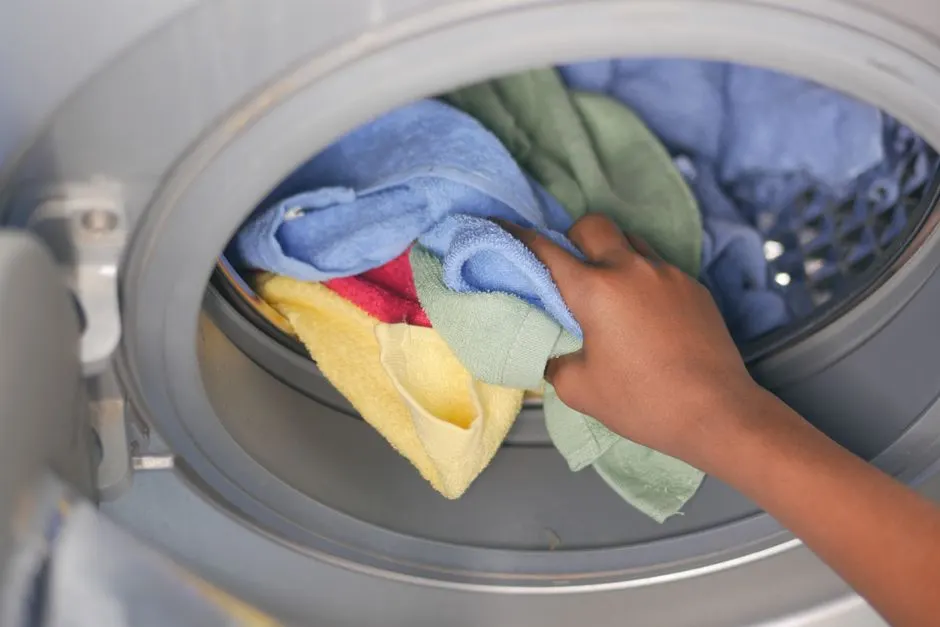
A front-load washer smells musty in Florida because damp air, standing rinse water, and detergent residue keep the drum and door seal wet long enough for mildew and odor-producing bacteria to build up. The problem often starts in the rubber gasket, dispenser drawer, or drain system, then transfers a stale smell to clean laundry. Florida's warm, humid conditions slow drying, especially in a closed laundry closet. In this guide, we'll show you how to pinpoint the source, clean the washer safely, prevent the odor through the humid season, and recognize signs that call for repair. Our Washer Repair in Florida team sees this pattern in homes where the washer door stays shut between loads.
Front-load washer smells musty Florida is a common moisture-and-residue problem that develops when a washer's seal, dispenser, or drain retains damp soil between cycles. The cause is often maintenance-related, but recurring odor can point to a drainage or component fault.
Why does my front-load washer smell musty in Florida?
A front-load washer smells musty in Florida because its airtight door seal traps moisture while heat and high humidity slow evaporation. Soap film, lint, skin oils, and small amounts of water become food and shelter for mildew in hidden surfaces.
Front-loaders use less water than older machines, and their door seals sit close to the drum to prevent leaks. That tight design works well for washing, but it leaves folds where a few tablespoons of water can remain after a cycle. If the door and dispenser stay closed, the washer can remain damp for hours.
In summer, indoor humidity in a poorly ventilated laundry room can stay high even with air conditioning running elsewhere in the house. But odor is not limited to summer. During Florida's November-to-winter dry season, a washer in a closed utility closet can still hold moisture if it gets frequent loads and little airflow.
A musty front-loading washing machine usually has one or more of these front-load washer odor causes:
- Moisture and residue inside the folds of the washer door gasket.
- Detergent, softener, and lint buildup in the dispenser drawer or its housing.
- A clogged pump filter or drain hose that leaves water sitting after a cycle.
- Repeated cool, short cycles that do not rinse away body oils and detergent film.
- Wet laundry left in the drum for several hours after the cycle finishes.
When you find the source, you can usually correct a light odor with cleaning and better drying habits. If the smell returns within a few days, focus on hidden water rather than adding more cleaner.
Where the musty washer odor starts
In Florida homes, musty washer odor most often starts at the gasket, dispenser drawer, pump filter, or drain path because those areas stay wet after the drum appears empty. A quick inspection with a flashlight can narrow the search.
Pull the rubber gasket back gently and check the entire inner fold, especially the bottom. Dark gray or black specks, slimy film, lint, and a sour smell point to washer door gasket mildew. Do not assume every dark mark is mold; some marks are permanent staining, but slime or a strong odor means the surface needs attention.
Slide out the detergent drawer and look inside the cavity, not just on the drawer itself. Fabric softener can leave a tacky layer that catches lint. If you see water pooling there after the washer has been idle, a dispenser channel may be blocked or the machine may not be sitting level.
A stale smell that is strongest near the bottom front panel can come from the pump filter. Many front-load models have a small access door with a filter that catches coins, hairpins, and lint. The exact procedure differs by model; drain the water into a shallow tray before opening it, since several cups can spill out.
Homes near the coast, including properties with laundry rooms that face warm, humid outside air, often see more persistent dampness. We serve homeowners dealing with that combination in Washer Repair in Miami, where a closed laundry nook can hold odor even after the room feels cool.
Also notice what the clothes smell like. If the drum smells normal but towels come out sour, residue and biofilm may be inside the drum or drain circuit. If the odor is strongest before washing and fades after a hot cycle, stagnant moisture is a likely culprit.
How do I get rid of a musty washing machine smell in Florida?
To remove mildew odor from a front-loading washer in Florida, clean the gasket and dispenser, clear the pump filter according to the manual, then run the washer's tub-clean cycle with a washer-approved cleaner. Leave the door open afterward until the drum and seal are dry.
Start with a dry cloth and wipe the full gasket fold, working around the bottom where water collects. Use warm water with a small amount of mild dish soap for visible grime, then wipe again with clean water and dry the seal completely. Avoid abrasive pads that can nick the rubber and create a future leak path.
Remove and wash the dispenser drawer in a sink. Use a soft brush to clear residue from corners and the compartment opening; never force a brush into narrow channels. Follow your washer manual for the tub-clean cycle and use either its specified cleaner or the recommended amount of bleach, not both.
Never mix bleach with vinegar, ammonia, or other cleaners. The combination can produce hazardous fumes. Open a window or run the laundry-room exhaust fan while cleaning, and keep cleaners away from children and pets.
- Wipe the gasket and dry its folds.
- Wash the removable dispenser drawer and clean accessible residue in its housing.
- Check and clean the pump filter using the model's instructions and a drain pan.
- Run one cleaning cycle at the temperature and setting specified by the manufacturer.
- Run an empty rinse if the manual or cleaner label calls for it, then dry the interior.
Do not pour cleaner into the drum if the product label says it belongs in the dispenser. Some machines have a dedicated tub-clean program that uses a different water level or tumbling pattern. The manual takes priority over generic online instructions.
For routine care, a monthly tub-clean cycle is a practical starting point for a household that washes several loads each week. If your washer sees daily use, inspect the gasket weekly and clean the drawer every month. Our Washer Maintenance in Florida service can address residue and check drainage when basic cleaning does not solve the smell.
Prevent washer door gasket mold in humid Florida
Preventing washer door gasket mold in humid Florida means removing standing moisture after each load and reducing the residue that mildew feeds on. Leave the door ajar, dry the seal, and use the detergent dose your machine actually needs.
After unloading, wipe the lower gasket fold with a clean towel and leave the door open by several inches. Keep the dispenser drawer cracked open too. If the washer sits in a narrow closet, leave enough clearance for air to circulate and run the room fan or exhaust when available.
Use high-efficiency detergent only in an HE washer and follow the bottle's load-size directions. More detergent does not make clothes cleaner in a low-water machine; excess soap can remain on the drum and seal. Softener is another frequent source of film, so reduce the amount or skip it for towels and athletic clothing.
Use these habits as a simple maintenance rhythm:
- After every load: remove clothes promptly, wipe visible water, and leave the door and drawer open.
- Every week: inspect the gasket and remove lint, hair, or small debris.
- Every month: run the manufacturer's tub-clean cycle and wash the dispenser drawer.
- Every few months: inspect the drain hose and clean the pump filter if your manual permits homeowner access.
Run a warm or hot cycle periodically if your clothing and care labels allow it. Cold cycles save energy and protect some fabrics, but they may leave more oily residue behind if the load is heavily soiled. Keep the washer level as well: a tilted machine can leave water in areas intended to drain.
In an apartment or condo, check that the laundry closet door has ventilation and that the drain hose is not pushed too far into the standpipe. A poorly arranged hose can interfere with draining or contribute to odor. If you smell sewer gas rather than damp fabric, the source may be the household drain connection, not mildew inside the washer.
Common mistakes that keep the odor coming back
Common washer-cleaning mistakes in Florida include closing the door while the gasket is wet, overdosing detergent, and repeatedly running cleaning cycles without clearing the drain filter. Those choices can mask an odor briefly while leaving the source intact.
Bleach poured directly on a gasket is not a complete cleaning plan. It can discolor or damage some materials if used too strong or left in contact too long. Use only the product and method approved for your exact model, and never mix cleaning products.
Do not scrape mildew with a knife or metal tool. A small tear in the door boot can turn an odor complaint into a leak. A soft cloth and brush are safer for reachable surfaces.
Another mistake is running an empty tub-clean cycle while the pump filter is packed with lint. The cycle may circulate foul water or fail to remove residue lodged near the pump. Clean the accessible filter first, if your owner's manual permits it, and place a towel and shallow pan below the access point.
Finally, avoid assuming that every persistent smell is mold. A rotten-egg or sewer-like odor can come from a drain connection, while a burning or hot-plastic smell signals a different problem. Stop using the washer if you notice smoke, unusual heat, or water leaking near electrical components.
When a musty washer odor needs professional service
A musty washer odor needs professional service in Florida when it returns after a thorough cleaning, water remains in the drum, the washer drains slowly, or you see repeated leaks around the door. Those signs suggest a blocked drain, failing pump, damaged gasket, or ventilation issue beyond surface mildew.
We inspect the gasket and dispenser, check the pump filter and drain path, and test whether the washer removes water correctly. If a drain pump is weak or a hose is obstructed, cleaning the drum alone will not stop the odor. Our team handles Front-Load Washer Repair in Florida for these faults and checks the machine after the repair so it drains and spins as intended.
Call sooner if you find water under the washer, hear a grinding or buzzing pump, see an error code that returns, or notice the drum still holding water an hour after the cycle ends. Those symptoms can signal a mechanical problem, and continuing to run the washer can spread a leak or strain the pump.
Typical 2026 pricing in this area depends on whether the visit involves a blockage, a pump, or a door boot; a basic diagnostic and minor drain clearing may fall around $100-$200, while pump or gasket repairs can run roughly $250-$600 including parts and labor. We explain the repair and upfront price before work begins. Florida Washer Repair can help you determine whether the odor calls for cleaning or a repair.
Frequently Asked Questions
Why does my front-load washer smell like mildew?
A front-load washer smells like mildew when moisture and detergent residue remain in the gasket, dispenser, drum, or drain between loads. Wipe the seal dry after each cycle, leave the door open, and run the manufacturer's tub-clean program about once a month. If the odor returns within a few days, inspect the pump filter and drain path.
How do I get rid of a musty washing machine smell in Florida?
Clean the gasket and dispenser, clear the pump filter as directed by the manual, and run one washer-approved cleaning cycle; allow about 30-60 minutes for hands-on cleaning and drying. Keep the door open afterward. Never combine bleach with vinegar or ammonia, and do not use a cleaner that your washer manufacturer prohibits.
Can mold inside a washer require professional repair?
Yes. Surface mildew usually responds to safe cleaning, but recurring odor with standing water, slow drainage, or a leak can indicate a failed pump, blocked hose, or damaged seal that needs repair. If the washer still smells after one proper cleaning and a fresh rinse, stop repeating chemical treatments and have the drain system checked.
Why do my clothes smell bad after washing even when the washer looks clean?
Clothes can smell sour when residue or biofilm remains inside the drum or drain system, even if the visible surfaces look clean. Try a tub-clean cycle and a smaller HE detergent dose, then remove laundry within 30 minutes of cycle completion. If towels still smell after two properly cleaned loads, have the washer inspected for trapped water or drainage trouble.
How often should I clean a front-load washer in Florida?
Run the tub-clean cycle about once a month and inspect the gasket weekly; wipe it after each load. A household washing daily may need more frequent gasket checks, while a lightly used washer still needs the door left open to dry. Follow the owner's manual if it specifies a different schedule or cleaning product.
Get help with Washer Repair in Florida
If your front-load washer keeps producing a mildew smell after cleaning, we can trace the odor to the gasket, pump, or drain and get your laundry routine back on track. Call Florida Washer Repair at +18665940052 to arrange service.