

Residential Washer Repair for Merritt Island Homes
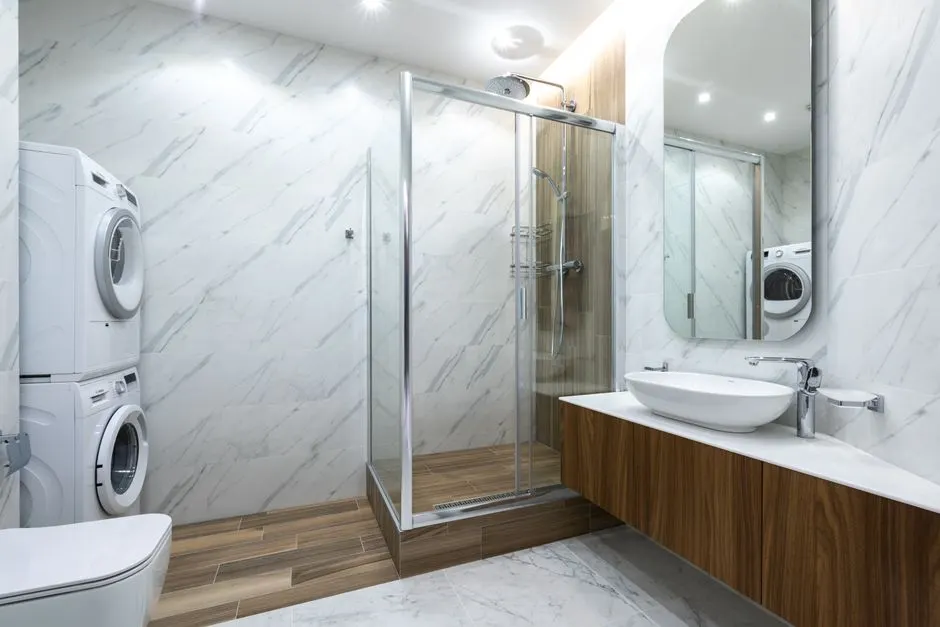
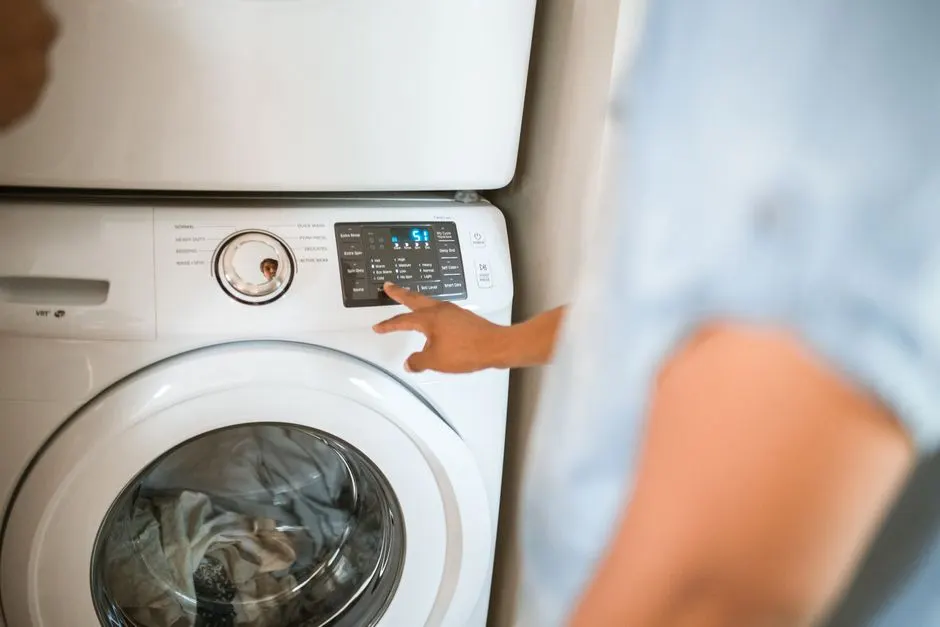
Merritt Island residential laundry spaces range from garage utility areas and dedicated laundry rooms to condo closets and stacked installations. A stopped washer creates an immediate household problem: wet clothes, missed school or work routines, and sometimes water on the floor. We diagnose the machine and its connections, then explain what is repairable before replacing components. Families near Courtenay Parkway, South Tropical Trail, and the island's established neighborhoods call for leaks, drain faults, vibration, and front-load odors. For High-Efficiency Washer Repair, we also check cycle selection and detergent use so a recurring imbalance or residue issue is not mistaken for a failed part.
- Household washer diagnostics — We inspect the reported symptom, model information, water connections, and cycle behavior at your Merritt Island home. A washer that stops mid-cycle gets a targeted check of fill, drain, and spin functions. We explain the failed component, complete the approved repair, and run the affected stage before leaving the laundry area.
- Front-load seal and drain repair — In Merritt Island homes, a damp front-load seal can collect residue, while a drain fault can leave water behind after a wash. We check the door boot, lock, and drain operation, then repair the specific failure. You see the door close and the machine complete the relevant test instead of relying on an assumption.
- Washer leak and hose service — A leak can begin at a supply connection, inlet valve, drain hose, or door seal. We identify when the water appears and inspect the matching area before moving the appliance. For Merritt Island customers, we also check the floor and nearby fittings after the fill test so the repair is confirmed under operating conditions.
- Installation and replacement support — We help Merritt Island homeowners fit a washer to the available space, including garage laundry areas and narrow interior closets. We check dimensions, door clearance, hose routing, and leveling. After installation, a short fill-and-drain test helps catch leaks, poor drainage, or excessive movement before you begin regular loads.